“Liberty, when it begins to take root, is a plant of rapid growth.” – George Washington
“Summer afternoon - summer afternoon; to me those have always been the two most beautiful words in the English language.” – Henry James |
Dear Reinhard,
As we celebrate Independence Day and the height of summer, July reminds us that the legal landscape continues to evolve just as quickly as the world around us. From landmark Supreme Court decisions to artificial intelligence, privacy compliance, and international travel, staying informed has never been more important.
In this issue, we touch on the following topics:
- The Supreme Court’s Birthright Citizenship Decision & America’s 250th Anniversary
- Is Your Company’s Website Creating Legal Risk Without You Knowing It?
- Think Before You Prompt: Could Your AI Chats Become Court Evidence?
- Summer Travel: What You Should Know About ESTA & ETIAS
- Welcoming Attorney William Culpepper IV to BridgehouseLaw
- July Insights: Small Facts, Big Perspective
We hope you enjoy this month’s newsletter.
Best, |
|
Reinhard von Hennigs & Your Team at BridgehouseLaw LLP |
|
Morning Musings
As you may know, Reinhard von Hennigs has been musing about current events and topics for over five years.
The third book, Morning Musings, The Late Night Edition, has been published and is now available on Amazon.com. You can order the book here.
In the meantime, please check out the Morning Musing library on YouTube.
Dive into the fascinating world of artificial intelligence with this episode of Morning Musings, where Reinhard von Hennigs discusses ChatGPT, the notable language model developed by OpenAI.
|
|
Vorurteile über Amerika: intelligent entkräftet
As many of you know, Reinhard von Hennigs has spent decades helping German and American businesses navigate cultural, legal, and business differences on both sides of the Atlantic.
His newest book, Vorurteile über Amerika: intelligent entkräftet (Prejudices About America: Intelligently Debunked), has now been published and is available for purchase.
In the book, Reinhard examines common misconceptions about America and offers practical insights based on his personal and professional experiences living and working in both Germany and the United States. |
|
|
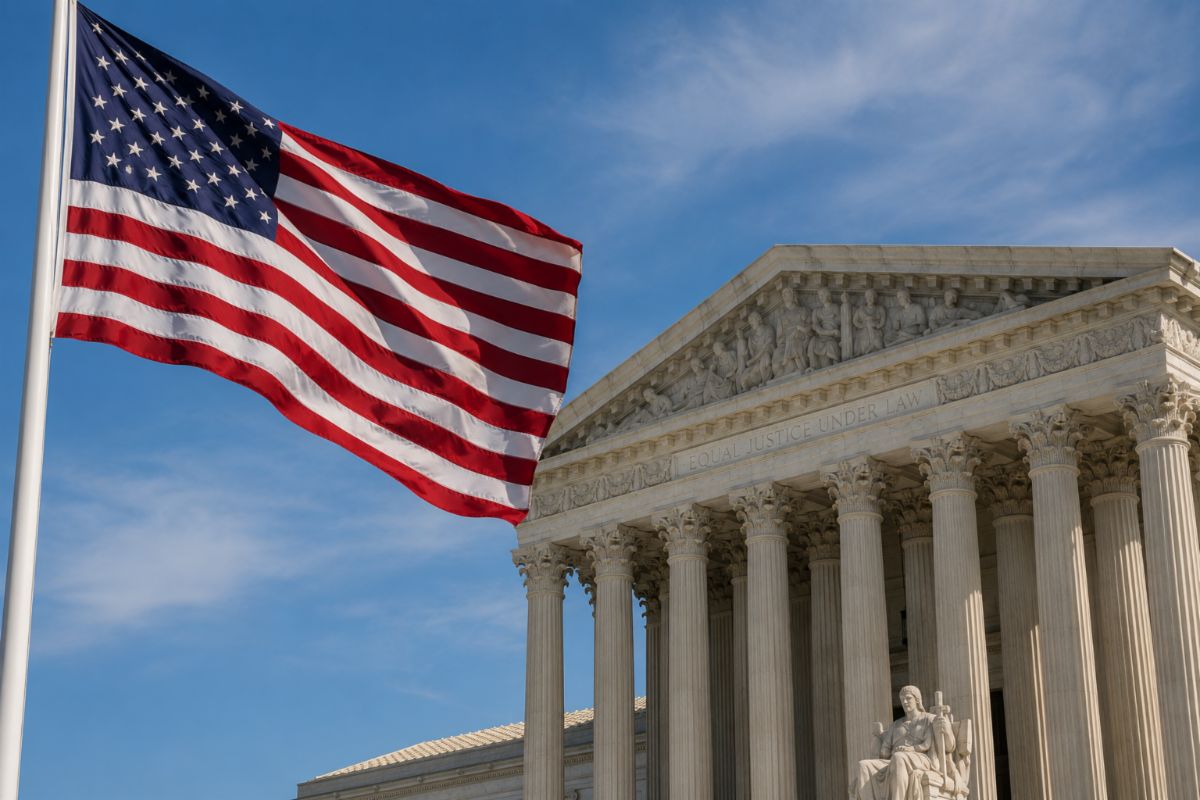
Liberty, Citizenship, and 250 Years of Constitutional Principles
As Americans celebrate Independence Day this July, and continue commemorating our nation’s 250th anniversary, one of the most significant constitutional decisions in recent years serves as a timely reminder that the strength of our legal system lies not only in creating new laws, but in faithfully interpreting the Constitution that has guided our nation for generations.
On June 30, 2026, the United States Supreme Court issued a landmark 6–3 decision reaffirming the constitutional principle of birthright citizenship under the Fourteenth Amendment. The Court rejected an executive order that sought to deny automatic U.S. citizenship to certain children born in the United States based on their parents’ immigration status. (Reuters)
While the outcome itself is significant, the Court’s reasoning may be even more important.
Writing for the majority, Chief Justice John Roberts relied heavily on the Supreme Court’s landmark 1898 decision in United States v. Wong Kim Ark, which established that, with only very limited exceptions (such as children of foreign diplomats), individuals born on U.S. soil are citizens under the Fourteenth Amendment. The Court emphasized that this constitutional interpretation has endured for more than 125 years through wars, economic crises, and changing political climates. (NPR Illinois)
One historical example underscores the durability of this principle. Even during World War II, when Japanese families were wrongfully confined in internment camps, children born in the United States were still recognized as American citizens under the Constitution. The Court pointed to this long-standing and consistent understanding as evidence that birthright citizenship has become one of the nation’s settled constitutional principles. (NPR Illinois)
Regardless of one’s political views, this decision highlights an important feature of the American legal system: constitutional questions are ultimately resolved through the courts, guided by precedent, historical interpretation, and the rule of law.
For businesses, families, employers, and individuals navigating the U.S. immigration system, stability and predictability matter. Constitutional decisions such as this provide clarity regarding rights that affect immigration planning, employment, family law, and international mobility.
As we celebrate the ideals expressed in the Declaration of Independence nearly 250 years ago, this decision reminds us that America’s legal system continues to evolve while remaining grounded in constitutional principles that have endured across generations.
Whether the issue involves immigration, business, employment, or constitutional rights, the rule of law remains one of the greatest strengths of the American legal system.
Immigration law continues to evolve through legislation, executive action, and court decisions. If you have questions regarding citizenship, visas, permanent residence, employment-based immigration, or how recent legal developments may affect your family or business, contact us at BridgehouseLaw are here to help you navigate this constantly changing legal landscape.
Dathan D'Agostino, BridgehouseLaw LLP, Charlotte image: Adobe Stock |
|
|
Is Your Company's Website Creating Legal Risk Without You Knowing It?
For many businesses, a website is one of their most valuable assets. It is often the first interaction a potential customer has with a company.
It may also be one of the company’s greatest sources of hidden legal risk.
Many business owners believe they are compliant simply because their website includes a Privacy Policy. Unfortunately, today’s privacy landscape is far more complex.
Recent years have seen a significant increase in privacy-related litigation, particularly under laws such as the California Invasion of Privacy Act (CIPA), with plaintiffs challenging the use of technologies such as website chat features, analytics platforms, session replay tools, pixels, and other third-party tracking technologies. California has been at the forefront of these claims, and numerous other states have enacted comprehensive consumer privacy laws that continue to reshape how businesses collect, process, and disclose personal information.
Why Reinhard Asked Me To Take a Closer Look
Recently, BridgehouseLaw received a privacy-related demand letter from a law firm alleging potential website compliance issues.
We also became aware of other businesses that had received similar letters.
Rather than simply responding to the immediate concern, we decided to treat it as an opportunity to conduct a comprehensive audit of our own website from a legal, privacy, and compliance perspective.
The results were encouraging.
Overall, our website was in a much stronger compliance position than we initially expected. At the same time, our review identified several areas where improvements were appropriate. Like many businesses, we discovered that compliance is not a one-time project, it is an ongoing process as technology, privacy laws, and regulatory expectations continue to evolve.
One of the biggest misconceptions we encountered is that website compliance is handled entirely by web designers or developers.
While many website professionals do an excellent job from a technical and design standpoint, legal compliance is a separate discipline.
A website may appear compliant under local business practices while still creating legal exposure under privacy laws in other jurisdictions.
Today’s businesses often serve customers across state and international borders. Depending on the circumstances, a company’s website may implicate privacy requirements in California, Colorado, Virginia, Connecticut, Texas, and other U.S. jurisdictions, as well as international frameworks such as the European Union’s General Data Protection Regulation (GDPR), Canada’s Personal Information Protection and Electronic Documents Act (PIPEDA), Australia’s Privacy Act, South Africa’s Protection of Personal Information Act (POPIA), and other privacy laws, even if the business is not actively marketing in those regions.
Every organization is different, and the laws that apply depend on a variety of factors, including where visitors are located, what information is collected, and how that information is used.
Our experience reinforced something we already do for many of our corporate clients: helping businesses identify legal risks before they become legal problems.
As a result, BridgehouseLaw is now offering Website Privacy & Compliance Audits.
Our audits are designed to help businesses evaluate their websites for potential legal risks involving privacy disclosures, cookie consent, tracking technologies, data collection practices, online forms, third-party integrations, and other compliance considerations.
The goal is simple: identify potential issues before they become demand letters, regulatory inquiries, or costly litigation.
Your website is more than a marketing tool, it is a legal touchpoint with every visitor.
As privacy laws continue to evolve, taking a proactive approach to website compliance has never been more important.
If you are unsure whether your website meets today’s privacy and compliance expectations, contact BridgehouseLaw to learn more about our Website Privacy & Compliance Audit services. A proactive review today may help prevent significant legal exposure tomorrow.
Dathan D'Agostino, BridgehouseLaw, Charlotte image: Adobe Stock |
|
|
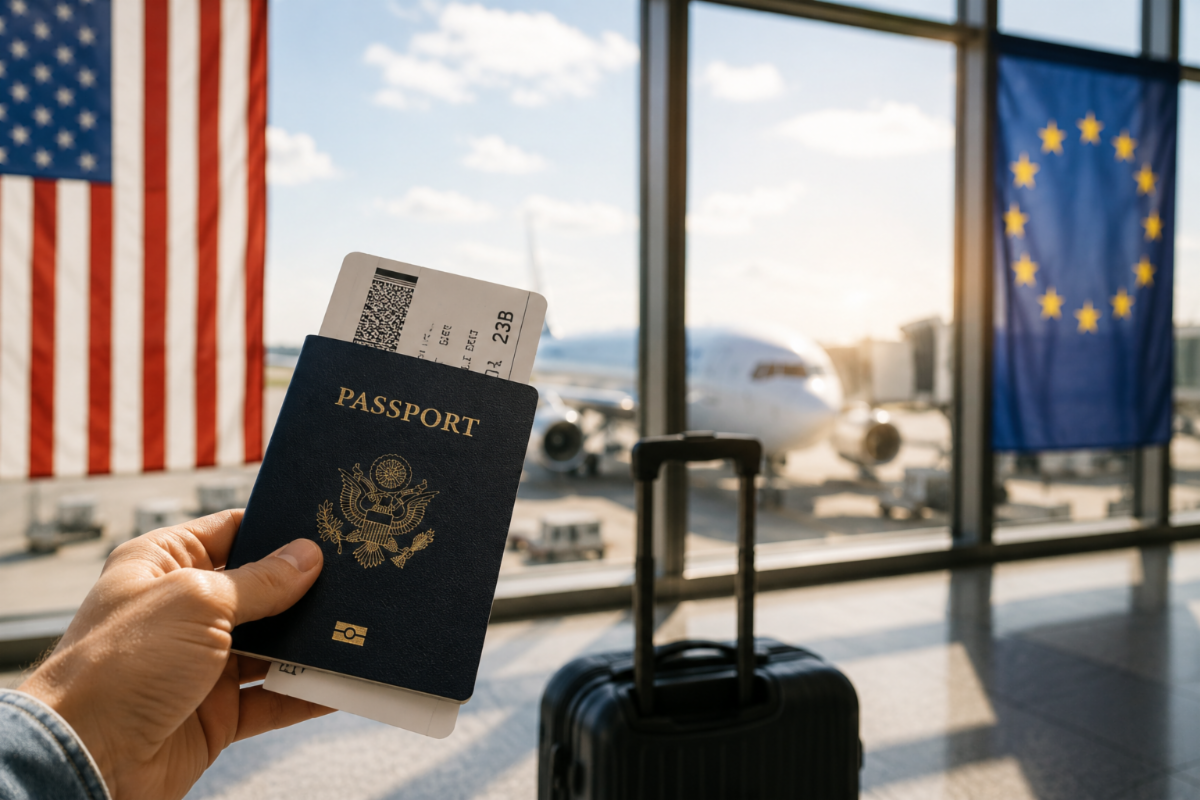
Summer Travel, ESTA, and ETIAS: What Travelers Should Know
As summer vacation season begins across Europe, many travelers are preparing for trips to the United States, while Americans are planning holidays across Europe. But before booking flights, hotels, and activities, travelers should remember one important detail: international travel increasingly requires advance electronic authorization.
For many European nationals traveling to the United States for tourism, short business visits, or transit, the Electronic System for Travel Authorization (ESTA) may be required under the Visa Waiver Program. ESTA is not a visa, but it allows eligible travelers to request authorization to travel to the United States for stays of 90 days or less without applying for a traditional visitor visa.
Approved ESTA authorizations are generally valid for two years, or until the traveler’s passport expires, whichever comes first. Travelers should apply before departure and avoid waiting until the last minute.
At the same time, Americans traveling to Europe should be aware of the upcoming European Travel Information and Authorisation System (ETIAS). ETIAS is expected to begin operations in the last quarter of 2026 and will apply to visa-exempt travelers entering participating European countries for short-term stays. The European Union has stated that no action is required from travelers yet and that the specific start date will be announced before launch.
The key takeaway is simple: visa-free travel does not always mean paperwork-free travel.
Whether traveling for vacation, conferences, business meetings, or family visits, travelers should confirm the correct authorization before departure. The rules can differ depending on citizenship, destination, length of stay, and purpose of travel.
If you have questions about travel authorization, visas, business travel, or immigration planning, BridgehouseLaw can help you understand the requirements before your trip begins.
Dathan D'Agostino, BridgehouseLaw, Charlotte image: Adobe Stock |
|
|
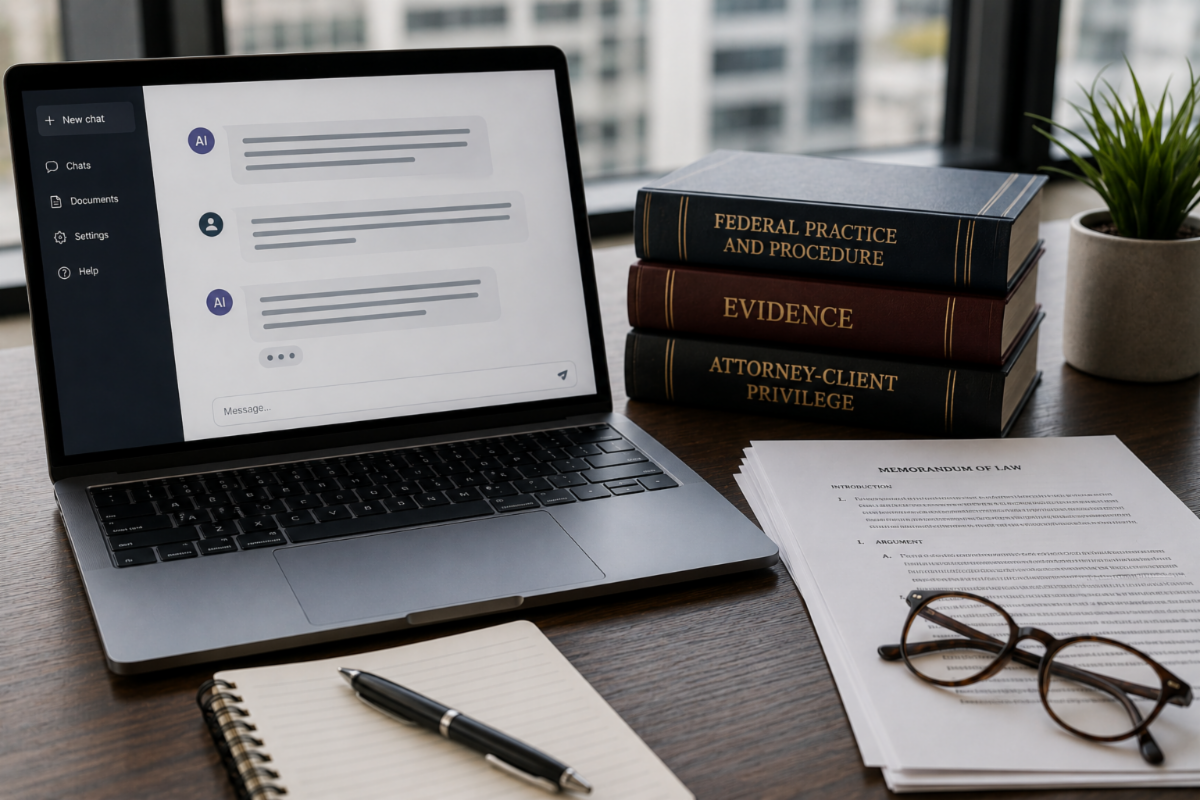
Think Before You Prompt! Your AI Chats Could Become Court Evidence
PAY ATTENTION! This applied to YOU, so if you read only one article in our July newsletter, let it be this one.
Artificial intelligence has become part of everyday life. Millions of people now use AI tools to draft emails, summarize documents, brainstorm ideas, analyze contracts, and even seek guidance on legal, employment, and business issues.
But there is one important question many people never ask: Could my AI conversations be used as evidence in court?
The answer may surprise you.
Many people assume that conversations with AI platforms are private or protected in the same way communications with an attorney might be. However, that is generally not the case. Communications with public AI tools are NOT automatically protected by the attorney-client privilege simply because they involve legal questions.
A recent federal court decision, United States v. Heppner, reinforced this distinction. The court concluded that materials created using a public AI platform were not protected by attorney-client privilege or the work-product doctrine simply because they were later shared with an attorney.
Artificial intelligence is an incredible tool, but it is NOT a lawyer.
AI systems can generate responses that are inaccurate, incomplete, outdated, or entirely fabricated. While they often provide helpful starting points, they should never replace legal advice tailored to your specific circumstances.
We’ve seen individuals rely on AI-generated responses regarding contracts, employment issues, landlord-tenant disputes, immigration matters, and litigation strategy, only to discover that the information was incomplete or simply incorrect. We see this all too often during consultations at BridgehouseLaw: clients have already turned to AI for legal guidance before speaking with an attorney
Another important consideration is discoverability.
Depending on the facts of a case, conversations with public AI platforms may become relevant evidence in litigation, employment disputes, business disagreements, divorce proceedings, or regulatory investigations.
For that reason, before entering information into an AI platform, ask yourself one simple question:
“Would I be comfortable seeing this conversation displayed in a courtroom?”
If the answer is “no,” it may be best not to enter that information into a public AI platform without first consulting your attorney.
As AI becomes more widely used, law firms across the country are adapting to address the legal risks associated with these technologies.
At BridgehouseLaw, we are updating our engagement letters and client guidance to better educate clients on the appropriate use of artificial intelligence during the course of legal representation.
Our goal is not to discourage the use of AI. On the contrary, AI can be an incredibly valuable tool when used responsibly. However, clients should understand that sharing confidential facts, legal strategies, settlement discussions, attorney communications, or other sensitive information with public AI platforms may create unintended legal consequences. We are seeing this play out in courtroom as we speak.
The best legal strategy begins with accurate information, and sometimes that means speaking with your attorney before speaking with AI.
Artificial intelligence is transforming the way businesses and individuals work, but the law is still catching up.
If you have already used AI in connection with a legal dispute, employment matter, business issue, contract, or other legal concern, let your attorney know. Likewise, if you have questions about using AI while involved in a legal matter, contact BridgehouseLaw. We can help you navigate this rapidly evolving area while protecting your legal interests.
Again, before copying emails, contracts, legal pleadings, settlement discussions, or confidential client information into a public AI platform, speak with your attorney. A few seconds of convenience today could create legal complications tomorrow.
Dathan D'Agostino, BridgehouseLaw, Charlotte image: Adobe Stock |
|
|
Attorney Spotlight: Welcome William Culpepper IV
BridgehouseLaw is pleased to welcome William Culpepper IV to our growing team of attorneys.
William brings more than 20 years of legal experience representing businesses, property owners, and individuals in a wide range of litigation matters. His practice focuses on landlord-tenant disputes, business litigation, contract disputes, real estate litigation, estate planning, and other civil matters, providing clients with practical legal solutions both inside and outside the courtroom.
Before joining BridgehouseLaw, William advised businesses and organizations on complex legal, regulatory, legislative, and operational matters. His experience includes government affairs, regulatory compliance, contract negotiations, risk management, and strategic business planning, giving him a well-rounded perspective on the challenges companies face every day. This unique combination of litigation experience and business insight allows him to help clients not only resolve disputes, but also proactively identify and manage legal risks before they become costly problems.
William’s addition further strengthens BridgehouseLaw’s ability to represent clients throughout North Carolina and South Carolina, expanding the firm’s growing litigation practice while continuing our commitment to providing practical, business-focused legal counsel.
We are excited to welcome William to the BridgehouseLaw team and look forward to the experience, knowledge, and dedication he brings to our clients.
Learn more about William Culpepper IV and our litigation services by visiting BridgehouseLaw today.
Dathan D'Agostino, BridgehouseLaw, Charlotte |
|
|
Reinhard von Hennigs German Honorary Consul for the Charlotte Area
As Honorary Consul, Mr. von Hennigs can assist the German community in North Carolina with the following matters:
- Obtaining German Passports
- Passport Renewals
- Family Registrations (Birth, Death, Divorce, Marriage)
- Name Change Registration
- Signature Authentication
- Life Certificates
To learn more about the Honorary Consul position and its services, check out the Honorary Consul website. |
|
Humor ist, wenn man trotzdem lacht. Laughter is the best medicine. |
|
July Insights: Small Facts, Big Perspective Fireworks and Local Laws Planning a Fourth of July celebration? Firework regulations vary significantly by state and even by municipality. What is legal in one location may result in fines or penalties just a few miles away. Before lighting the fuse, make sure you know your local laws.
Passport Expiring Soon? Many countries require passports to remain valid for at least six months beyond your travel dates. Before booking international travel, check your passport’s expiration date, you may need to renew it sooner than expected
Protect Your Summer Vacation Summer is peak travel season, and also peak season for lost passports, delayed flights, and travel scams. Before leaving home, make digital copies of your passport, travel documents, insurance information, and emergency contacts. A few minutes of preparation can save hours of frustration abroad.
Mid-Year Cybersecurity Reminder July is an excellent time to review passwords, enable multi-factor authentication, update software, and verify user access to business systems. Many cyberattacks exploit simple security oversights rather than sophisticated hacking techniques, making routine maintenance one of the most effective forms of protection. You can visit our blog to find our past newsletter articles.
|
|
| See what's happening on our social sites: |
|
July 2026 Volume 18 Issue 7 |
|
|
|
|















Comments